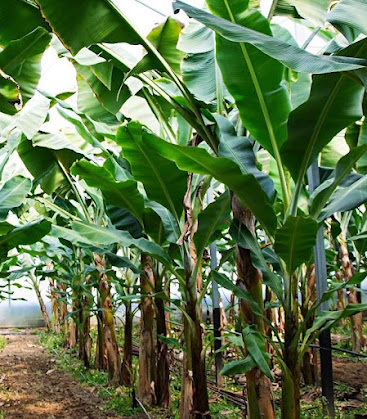
Welcome to our crop production blog. There are variety of crop. A crop is any plant that is grown in significant quantities to be harvested as food, livestock fodder, or for any other economic purpose. Crop production is a complex business, requiring many skills (such as biology, agronomy, mechanics, and marketing) and covering a variety of operations throughout the year.
September 6, 2025
Cultivation and Significance of Cumin (Cuminum cyminum)
Cultivation begins with selecting sandy loam soils that are well-drained, rich in organic matter, and maintain a neutral pH. Sowing generally occurs in winter, between October and November, when daytime temperatures of 20–30°C promote uniform germination. Farmers prepare finely tilled soil and either broadcast seeds or sow them in rows spaced 20–30 cm apart. Adequate spacing reduces competition and minimizes the risk of disease spread.
Cumin requires limited irrigation; two to three light waterings are usually sufficient for the entire growing period. Overwatering can encourage fungal infections such as Fusarium wilt, Alternaria blight, and powdery mildew, which are major threats to productivity. Integrated pest management (IPM), combined with the use of bio-fungicides and disease-resistant varieties, is increasingly adopted to reduce chemical dependence. Early-stage weed control is critical, and practices such as mulching with crop residues or organic matter help conserve moisture while suppressing weed growth.
The crop reaches maturity in about 100–120 days. Plants are harvested once they turn yellow and the seeds begin to harden. Harvesting too early may compromise seed quality, while delays can cause shattering losses. After cutting, plants are sun-dried and threshed to separate the seeds, which are then cleaned and stored in moisture-proof containers. Proper post-harvest handling is vital to preserve flavor, volatile oils, and shelf life.
Beyond its economic value, cumin holds cultural and medicinal significance. It is a staple spice in Indian, Middle Eastern, Latin American, and Mediterranean cuisines, prized for its warm, earthy aroma. Rich in antioxidants and compounds like cuminaldehyde, cumin has been linked to improved digestion, immune support, and even antidiabetic properties, according to recent nutritional studies.
With global demand steadily rising, future cultivation will depend on sustainable practices, mechanized harvesting, and continued breeding of high-yield, climate-resilient varieties—ensuring both farmer profitability and consumer access to this ancient, globally cherished spice.
Cultivation and Significance of Cumin (Cuminum cyminum)
March 20, 2025
Comprehensive Guide to Dent Corn Cultivation
Land Preparation:
Preparing the land before planting is crucial for creating an ideal seedbed. This process includes plowing to loosen compacted soil, harrowing to refine its texture and eliminate clumps, and leveling to ensure even water distribution. These measures promote uniform seed germination and emergence while preventing issues like waterlogging and erosion. Adding soil amendments such as compost or lime can enhance soil fertility and balance pH levels.
Planting Techniques:
Dent corn is usually sown in rows using a seed drill or precision planter to achieve accurate depth and spacing. The optimal planting depth is 1-2 inches, with row spacing of 30-36 inches to support proper root development and inter-row cultivation. Treating seeds with fungicides or insecticides can protect against soil-borne pests and diseases, boosting early seedling vigor.
Fertilization and Nutrient Management:
Effective fertilization ensures a steady nutrient supply throughout the growing season. Conducting regular soil tests helps identify deficiencies and guide fertilizer applications. Nitrogen (N) promotes vegetative growth, while phosphorus (P) and potassium (K) are essential for root development and grain filling. Fertilizers should be applied in multiple doses, beginning at planting and followed by top-dressing at key growth stages.
Weed, Pest, and Disease Control:
Weed control involves using pre-emergent and post-emergent herbicides, mechanical cultivation, and cover cropping. Integrated Pest Management (IPM) combines biological controls, resistant hybrids, and selective insecticide applications to minimize pest damage. Using disease-resistant varieties, practicing crop rotation, and maintaining sanitation can help reduce the occurrence of fungal and bacterial infections.
Irrigation Methods:
Efficient irrigation methods such as drip, sprinkler, and furrow irrigation help optimize water use. Using soil moisture sensors to schedule irrigation prevents overwatering and conserves resources.
Monitoring Growth Stages:
Regular crop monitoring allows for timely interventions. Advanced tools like drones and satellite imagery provide insights into plant health, nutrient levels, and pest activity.
Thinning and Spacing:
Removing excess plants improves air circulation, reduces disease risks, and encourages uniform growth.
Mulching Practices:
Applying organic mulch helps retain soil moisture, suppress weeds, and regulate soil temperature, enhancing crop health while minimizing chemical usage.
Support Systems for Tall Varieties:
Staking or trellising supports tall dent corn varieties, preventing lodging in areas prone to strong winds.
Pruning Techniques:
Trimming lower leaves enhances airflow, reducing fungal disease risks and aiding grain drying.
Determining Harvest Readiness:
Dent corn reaches physiological maturity when kernels become hard and dented, with a moisture content of 20-25%. Moisture meters help determine the optimal harvest time.
Harvesting Methods:
Combine harvesters with specialized corn headers ensure efficient harvesting while minimizing grain losses.
Post-Harvest Handling and Storage:
Drying harvested corn to 13-15% moisture prevents mold growth and spoilage. Modern storage facilities with aeration and temperature control help maintain grain quality and market value.
Comprehensive Guide to Dent Corn Cultivation
October 3, 2024
Blueberry Farming: Cultivation, Harvesting, and Market Growth
There are two primary types of blueberries: highbush (Vaccinium corymbosum) and lowbush (Vaccinium angustifolium). Highbush varieties are typically cultivated, while lowbush varieties are often wild and smaller in size. The fruit ripens 50-65 days after blossoming, marking the end of the growing cycle. After harvesting, small twigs and leaves are separated by air at the mill, and the blueberries are then graded, washed, and inspected for ripeness.
Fresh blueberries undergo a meticulous process to ensure quality. After washing, they are hand-sorted to remove any green or unripe berries, then packed in small baskets (473ml or 946ml). These baskets are typically overwrapped with cellophane to preserve freshness and are stored at refrigerator temperatures between 32°F and 35°F. Properly stored blueberries can maintain their freshness for 4 to 8 weeks, making them a reliable and long-lasting fresh product for consumers.
Blueberries are not only popular for their taste but also for their health benefits, being rich in antioxidants, vitamins, and dietary fiber. The growing interest in blueberries is largely due to increased awareness of their nutritional value and versatility in recipes, from fresh consumption to baked goods like muffins and pies.
Botanically, blueberries belong to the Vacciniaceae family, a subfamily of Ericaceae, which includes acid-loving plants like azaleas and rhododendrons. Because of these soil preferences, blueberries are best suited to well-drained, acidic soils, commonly found in regions such as North America, which is the leading producer of commercial blueberries.
As demand for healthier food options continues to rise, blueberries have become a profitable crop, especially for small farmers. Their adaptability to specific environments, high market value, and consumer appeal ensure that blueberry cultivation will remain a significant and growing agricultural industry.
Blueberry Farming: Cultivation, Harvesting, and Market Growth
August 28, 2024
Growing Chayote: A Guide to Cultivating This Versatile Vine
Chayote thrives best in full sun, which is crucial for optimal fruit production. However, it can also tolerate partial shade, making it a versatile option for various garden settings. The soil should be loose, well-drained, and rich in organic matter to support healthy root development. The ideal soil pH for chayote is between 6.0 and 6.8, a slightly acidic to neutral range that provides the necessary nutrients for growth. Adding compost or well-rotted manure can further enhance soil fertility.
Timing is critical when planting chayote. It should be planted about 3 to 4 weeks after the last frost date, ensuring that soil temperatures have reached at least 65°F (18°C). This warmth is essential for germination and growth. Chayote requires a long growing season, needing 120 to 150 frost-free days to reach maturity. In regions with shorter growing seasons, starting seeds indoors or using row covers can extend the growing period.
When planting chayote, it’s best to bury the whole fruit about 4 to 6 inches deep, positioning it fat end down and at a slight angle. This method ensures that the plant has a strong start. Space plants 10 feet apart to accommodate their vigorous growth and sprawling vines. Providing sturdy trellises or supports is essential, as chayote is a climber that can reach impressive heights, sometimes over 30 feet.
Chayote grows well alongside crops such as pumpkins, peppers, squash, and corn. These companions share similar soil and water needs, and they can create a microenvironment that supports each other’s growth. However, avoid planting chayote near celery, mint, or snap beans, as these plants may compete for nutrients or harbor pests that could harm the chayote.
Although chayote is traditionally grown in the ground, it can also be cultivated in containers. However, expect limited yields. Use a large container, at least 24 inches deep, to allow adequate root space, and ensure the plant has a trellis for climbing. Regular watering and feeding are crucial in container gardening to prevent the soil from drying out or becoming depleted of nutrients.
Chayote fruits can be boiled, baked, or sautéed, offering a mild flavor reminiscent of cooked cucumber or zucchini. They are a versatile addition to any diet, rich in vitamins and low in calories, making them a nutritious choice for health-conscious individuals. Whether you're a seasoned gardener or a beginner, growing chayote can be a rewarding experience, yielding delicious and nutritious fruits.
Growing Chayote: A Guide to Cultivating This Versatile Vine
June 6, 2024
Mastering Watermelon Cultivation: Keys to Quality and Success
Thriving in warm, extended seasons, watermelons flourish best in well-drained sandy loam soils with a slightly acidic pH. With proper fertilization, sandy soils can yield exceptional watermelon crops. While these fruits tolerate pH levels as low as 5.5, their optimal growth occurs within the 6.0 to 7.0 range. Treating acidic soils with lime can enhance their suitability for watermelon cultivation. Soil preparation before planting entails labor-intensive tasks like plowing, disking, and sub-soiling to encourage deep rooting in compacted layers.
Wind protection is pivotal in watermelon farming, as young plants are susceptible to wind damage. Implementing windbreaks, using crops like wheat, rye, or hybrid Sudan grass, is crucial. As watermelon vines sprawl, windbreak crops are managed accordingly, leaving a narrow strip standing for continued protection, albeit with measures to minimize competition.
From planting to harvest maturity, typically spanning five to six weeks post-pollination, different watermelon varieties exhibit varying characteristics denoting maturity levels. Seasoned farmers often discern ripe watermelons by their glossy rinds, alongside the telltale shift in ground spot color from white to light yellow.
Recent advancements in agricultural tech have revolutionized watermelon cultivation. Precision farming techniques, including soil moisture sensors and automated irrigation systems, optimize water usage, enhancing both yield and quality. Additionally, research into disease-resistant varieties and integrated pest management has curbed the impact of common watermelon pests and diseases, ensuring healthier crops.
In essence, cultivating premium watermelons entails meticulous attention to soil prep, plant protection, and maturity assessment. With skilled hands and modern agri-tech at their disposal, farmers can deliver watermelons that enthrall consumers with their sweetness and crispness, cementing their status as summer staples.
Mastering Watermelon Cultivation: Keys to Quality and Success
March 6, 2024
Dent Corn: History and Cultivation
The history of dent corn traces back thousands of years, believed to have originated in Central America among indigenous cultures like the Maya and Aztecs. Initially, dent corn was a small, wild grass known as teosinte. Through selective breeding by ancient civilizations, teosinte evolved into the larger, more productive crop we recognize today. The development of dent corn varieties continued over centuries, with European settlers further refining and adapting it to diverse climates and conditions.
Dent corn's evolution into various varieties has been integral to agricultural progress. Traditional dent corn varieties reflect centuries of adaptation to local environments and farming practices. These varieties often boast resilience and adaptability to specific regions, making them invaluable for small-scale and subsistence farming. Conversely, modern dent corn hybrids result from intensive breeding programs, aiming to maximize yield, resist diseases, and enhance nutritional content. While hybrids dominate commercial agriculture, traditional varieties persist due to their unique traits and cultural significance.
Dent corn's cultivation is influenced by specific environmental requirements. It thrives in temperate climates with warm summers and sufficient rainfall, although modern hybrids exhibit greater tolerance to varying conditions. Well-drained, fertile soils rich in organic matter are ideal for dent corn cultivation, ensuring optimal nutrient uptake and root development. Additionally, dent corn necessitates ample sunlight and consistent moisture throughout the growing season to achieve maximum yield potential.
In conclusion, dent corn plays a pivotal role in global agriculture, owing to its rich history, diverse varieties, and adaptability to various environments. From ancient civilizations to modern farming practices, dent corn continues to sustain livelihoods and drive agricultural innovation. Understanding its origins, varieties, and environmental requirements is essential for ensuring its continued cultivation and contribution to food security worldwide.
Dent Corn: History and Cultivation
June 13, 2023
Mung bean crop
Mung bean grows in a wide range of climatic conditions. A warm humid climate with temperature ranging from 25⁰ C to 35⁰ C, with 400-550 mm rainfall, well distributed during the growing period of 60 - 90 days, is suitable for cultivation. Mung beans prefer sandy loam and loamy soil conditions that are rich with plenty of organic matter such as composted plant waste or manures.It is an annual crop that is highly branched and is about 60–76 cm tall with a slight tendency of twinning in upper branches, also having trifoliolate leaves like the other legumes. Both upright and vine types of growth habit occur in mungbean, with plants varying from one to five feet in length.
Clusters of 12–15 flowers are situated at the top of the plant, and eventually these flowers will develop into small cylindrical pods. The pods of this fully fertile and self-pollinated crop are linear sometimes curve, round, and slender. The seeds enclosed within the pods are small and nearly globular.
Harvesting of the seed pods is critical and must be synchronized to ensure at least 95% is at the correct state of maturity and moisture content (14–16%). Harvesting of the mung bean is usually done within 75–90 days when the pods turn dark or half to one third mature. The maturity of the pod is not uniform because of the extended period of flowering. Manual harvesting by handpicked is usually practiced, but mechanical harvesting can save labour cost and time.
Mung bean seeds are sprouted for fresh use or canned for shipment to restaurants. Sprouts are high in protein (21%-28%), calcium, phosphorus and certain vitamins. Because they are easily digested, they replace scarce animal protein in human diets in tropical areas of the world.
Mung bean crop
January 29, 2023
Ideal climate to grow tea
Tea plant is an evergreen bush that flourishes in tropical, subtropical and temperate regions at elevations below 3000 m. Tea does not tolerate long droughts or frost and extreme heat. The best quality tea is produced at high altitudes of 1500 to 2250 meters above sea level.
Camellia sinensis var. sinensis grows in cooler mountainous regions, while Camellia sinensis var. assamica grows best in a tropical climate.
Tea grows in a wide range of latitudes of between 30◦ S and 42◦ N that satisfy the certain eco-physiological requirements of tea plants, including thresholds of climatic variables.
Tea requires rainfall of 1200mm to 2200mm that is well distributed throughout the year, and relative humidity of around 80 % (never less than 40%).
Tea is considered optimal conditions are annual precipitation at the level of 2500 - 3000 mm3 per square meter.
Tea plants can survive a wide range of temperatures between 10 to 30 ◦C. Solar radiation is another primary driver which plays a significant role in photosynthesis in plants. Excessive wind causes water deficit in tea plants due to high evapotranspiration.
The monsoonal climate, alternate wet and dry seasons and the high elevation of subtropical mountains in China, India, and Sri Lanka appear to provide above optimal conditions for tea cultivation.
Unfavorable conditions, such as droughts, floods, frosts or excessive heat, limit plant growth and lead to changes in the biochemical structure of the raw material which lead to a decrease in its quality.
Ideal climate to grow tea
September 3, 2022
Tomato plant
On average, a tomato plant can yield 10 to 30 pounds of tomatoes. Depending on the size of the tomatoes, this can be roughly 20 to 90 tomatoes from a single plant. Tomatoes love the sunshine. A position in full sun (that means an average of at least eight hours a day) gives the best results in most areas.
The soil should be fertile, free-draining, and ideally shouldn’t have grown a crop from the same plant family (for instance potatoes or peppers) within the past two years. The soil should be kept damp 6-8 inches down in the ground around the root system to encourage proper growth.
Tomato plants need space – not only to reach their full potential, but to encourage a good flow of air between plants, which should help to reduce the threat of disease. Plant spacing varies, depending on the variety of tomato, but, as a general rule, space 24 to 36 inches apart in rows 4 to 5 feet apart.
Tomato plants need to be watered daily or every other day. The plants need 1-1.5 inches of water per week, but container-grown tomato plants need to be watered twice per day.
Pruning tomatoes encourages healthy production and provides better air flow between plants, which helps prevent disease and limit pest problems.
Tomatoes take 60 days to more than 100 days to harvest, depending on the variety. Due to their relatively long growing season requirements (and late planting date), most gardeners plant small “starter plants” or transplants instead of seeds after the weather has warmed up in spring.
Tomato plant
January 8, 2022
Climate for banana cultivation
Banana plants like warm and wet conditions also rainy climate year-round, along with fertile soils. Bananas need adequate moisture and protection from wind.
They grow best in the tropics, with an average temperature in the high 20s Celsius, and can be found in plantations in a wide band between 30° north and south of the equator.
Most varieties of bananas grow best with 12 hours of bright light and high humidity of 50% or higher. The ideal temperature range is around 26-30°C with RH regime of 75-85%.
Growth begins at 18ºC, reaches optimal growth at 27ºC and stop entirely when temperature reaches 38ºC.
Banana thrives in fertile, well-drained soils with high water-holding capacity. The optimal pH is between 5 and 7. Because banana is sensitive to salinity, the EC should not exceed 1.0 dS/ m.
Bananas are found in southern Europe, northern Africa, Pakistan, northern India and China at their northern extreme and in Argentina, Paraguay, South Africa and Australia at their southern extreme.
They are also grown in the tropics into mid-altitudes of higher than 1 500 meters above sea level in the Andes, Himalayas, Kilimanjaro and the East African Highlands.
Commercial plants are usually grown to just a few meters tall and are replanted every six years or so using the bulbous shallow-rooted rhizomes (called corms) that the adult plants produce.
Climate for banana cultivation
February 21, 2021
Rice and cultivation
October 8, 2020
Planting Of Peanut Or Groundnut
The area for planting peanut shall be free from hazardous substances and pesticides that may leave residues or contaminate peanut kernels to the level harmful to consumers.
Peanuts are planted in April or May and harvested in September. Peanuts take about 3-5 days for germination and emergence from the soil at 30° C. The crop is a self-pollinated crop whereby flowers occur on elongated are produced above ground and, after fertilization, pegs move towards the soil, and seed-containing pods are formed and developed underneath the soil.
The peanut grows as a plant that blooms yellow flowers and the petals wilt after a period of time and signal the underground growth of the nuts.
Peanut should be harvested at the right stage of maturity normally farmer waits until the soil not too wet or too dry before digging. During harvesting, using portable mechanical pickers peanuts are removed from vines and are delivered to warehouses for cleaning.
Planting Of Peanut Or Groundnut
September 16, 2020
Cultivation of rice
Most cultivated rice is grown in flooded fields and rain fed lowlands. Irrigated rice is defined as rice produced when water is added to supplement that supplied by natural processes such as rainfall.
Planting within the recommended sowing window allows fast, uniform crop that will have higher yields, the highest probability of limited cold stress at microspore, and high grain quality at harvest.
It also will help produce a fast-growing, and will be better able to compete with weeds and pests. The best time to plant depends on the locality, variety, water availability, and the best harvest time. Rice can either be transplanted from a nursery or direct-seeded in the field.
Transplanted crops will normally take less time in the production field but 10–15 days longer for the total crop duration. In both cases, a well-prepared seedbed is needed.
Most soils provide only limited amount of nutrients to the crop, therefore fertilizers need to be applied to increase grain yield. In some cases, fertilizers are also added to improve the soil’s physical condition.
Rice is ready for harvesting at about 80% grain maturity, when the grain color turns to golden yellow.
Cultivation of rice
October 30, 2019
Lemongrass crop: cultivation, harvest and usage
A temperature ranging from 20 °C-30 °C and good sunshine throughout the year is conducive to high crop yield. Lemon grass can also be grown in semi-arid regions receiving low to moderate rainfall.
Lemon grass can grow well over medium fertile soils and moderate irrigation. Well drained sandy loam is most suitable for the growth of the plant . It can be grown on a variety of soils ranging from loam to poor laterite. Calcareous and water logged soils should be avoided as they are unsuitable for cultivation.
The plant is hardy and resistant to draught. Maximum plant height was recorded during rainy season and least during second harvest non- rainy season. The yield of oil fluctuates greatly with the season, the condition of the plant material, its moisture content and the age of planting.
In sandy loam and red soils, it requires good manuring. Calcareous and water-logged soils are unsuitable for its cultivation.
The first harvest can be obtained after 3-6 months after planting. Subsequently, harvest can be obtained after every three months. Yield is low in the first year and the higher yield can be obtained in 3-4 years. Harvesting should be done only in sunny days and grass is cut 10cm above the ground.
Lemon grass oil is used as a source of citral. The oil is also used for deodorants, waxes, polishes, detergents, and insecticides where its low cost is attractive. In Peru it is used for preparing soft drinks and is used as an aromatic, pleasant tasting herbal tea all around its distribution area. The infusion or decoction of its aerial parts has widespread use for medicine. Lemongrass is recommended to treat digestive disorders, inflammation, diabetes, nervous disorders, and fever as well as other health problems.
September 25, 2018
Cultivation of watermelon
Watermelon is propagated by seed. In general, seed rate of 2-3 kg/ha for small-seeded type and 4-5 kg/ha for large seeded type is sufficient.
Watermelons grow best on non-saline sandy loam or silt loam soils. Light-textured fields warm up faster in the spring and are therefore favoured for early production.
Fine sands produce the highest quality melons when adequate fertilizer and water are provided. Windbreaks are advisable on sandy soils to reduce “sand blast” damage and stunting of young seedlings caused by spring winds.
Water deficits during the establishment of watermelons delay maturity and may cause gaps in production. Water stress in the early vegetative stage results in reduced leaf area and reduced yield. Sandy soils may require more frequent, lighter applications than heavier soils to prevent moisture stress. Irrigate the field before dibbling the seeds and thereafter once a week. Irrigation should be given at regular intervals of time. Irrigation after a long dry spell results in cracking of fruit.
Days to maturity: It is usually 80 to 90 days for baby bush varieties and 90 to 100 days or more for the larger varieties.
Cultivation of watermelon
May 31, 2018
Oats cultivation
The choice of cultivar by a producer depends mostly on the end-market for the production, e.g. grain, grazing or feed. Cultivars that are more suited for grazing and hay production have different characteristics, and a cultivar for grain production must be chosen according to the needs of the buyer and end-user of the product, but must also fit into the production system of the farmer. Breeding and selecting for both seedling and adult resistance to crown rust in particular is an important part of oat improvement programmes in many of the world’s oat grain producing areas.
Oats are better adapted to variable soil types and can perform better on acid soils than other small grain cereals crops. They are mostly grown in cool moist climates and they can be sensitive to hot, dry weather from head emergence through to maturity. For these reasons, world oat production is generally concentrated between latitudes 35 – 65°N, including Finland and Norway, and 20 to 46°S.
Although oats are widely adapted to moist soil conditions, they have generally similar soil requirements to wheat with regard to both macronutrients and micronutrients (Fe, Cu, Zn, Mn and Mo) that have a major influence on production. Soil acidity levels of pH 4, 8 to 5, 5 (KCI) are regarded as optimal. Oats are more acid tolerant (up to 15 % acid saturation) than wheat, but less saline tolerant than wheat and barley.
Preceding the planting of oats, the standard seed treatments against seed-borne diseases must be applied in grain production, while it is optional in grazing and hay production. The planting time for oats is from September to October in cooler areas and January to April in warmer areas.
The recommended planting rate for oats planted for grain is 27 to 40 kg per acre. The recommended planting rate for oats planted for forage is 40 to 55 kg per acre.
Oat seed should be placed in firm contact with enough soil to prevent rapid drying. Seed should be placed at depths of 3⁄4 to 1 1⁄2 inches. Deeper coverage may result in loss of vigor and failure of the seed to produce emerged seedlings.
The fertilizer application rates usually depend upon the desired yield level, fertility of the soil, and the previous crop cultivated on the field. In general, oat requires lower doses of fertilizers than wheat. Fertilizer doses of nitrogen vary from 50 to 100 kg/ha, while 30 to 40 kg/ha phosphate, and 15 to 30 kg/ha potash are generally applied to get good yields.
Oats cultivation
April 17, 2018
Suitable environment for tea cultivation
Some of this will be lost through evaporation, surface run-off etc., but a considerable quantity of rainfall is needed for leaf transpiration which allows photosynthesis and healthy plant growth.
Tea plants grow well in tropical and subtropical climates. Temperature plays an Important part in the growth and yield of tea. Temperature affects tea yield by influencing rate of photosynthesis and controlling growth and dormancy. In general, the ambient temperature within 13°C and 28-32°C is conducive for growth of tea.
Maximum ambient temperature above 32°C is unfavorable for optimum photosynthesis more so if it is accompanied by low humidity. A humid climate and high RH favors growth of tea.
Generally, sandy loam to silty loam type of soil with pH range of 4.5 - 5.5 is ideal for growing tea. Soil should possess a minimum 1% of organic carbon, 1-2% of organic matter, 35ppm of P2O5 and 80 ppm of K2O for successful establishment of tea. Tea grows well on high land well drained soils having a good depth. The depth of ground water table should not be less than 90 cm for good growth of tea. Catchment planning is required for improved soil and water management practices in a tea estate for which land survey designed to identify all major and minor topographical features needs to be carried out.
Like every plant tea bushes need protection from weeds otherwise the competition for water and soil nutrients would damage the tea crop potential. This is done with a combination of herbicides and hand weeding in non-organic crops.
Suitable environment for tea cultivation
March 20, 2018
Oryza sativa species
Another less important rice, Oryza glaberrima (African rice), is grown in east Africa, but is being replaced by Oryza sativa.
Rice is consumed as a grain almost exclusively by humans, supplying 20% of daily calories for the world population.
The cultivated species of Oryza sativa evolved during several thousand years of cultivation in widely different geographic and agroclimatic regions, producing a multitude of forms and varieties.
For producing rice, a tremendous amount of water is used for the rice irrigation under the traditional irrigation technique called as a continuous deep flooding irrigation technique. In this technique, the paddy fields are inundated all the time starting from transplanting until nearly harvesting at certain water depth that varies from 50 mm to 100 mm.
Oryza sativa species
June 7, 2017
Cultivation of sugar cane
While nearly all sugar canes are of the same species, differences in growing condition (climate, etc) affect the characteristics of the juice.
For example the sugar content of the juices from sugar canes grown in the tropics is higher than in sugar canes grown in cooler climate.
Sugar cane is a tall perennial tropical grass, which tillers at the base to produce unbranched stems from 2 to 4 m or more tall, and to around 5 cm in diameter. It is cultivated from these thick stems, stalks or canes, form which the sugar is extracted.
The plants take 6 to 12 months to reach maturity. Sugar cane is harvested buy chopping the stems from the plant. The roots are left in the ground to grow new stems, and a new crop.
In the United States, sugar cane is grown primarily in Louisiana, and some is grown in Florida and Hawaii.
Cuba, Puerto Rico, the Virgin Islands, the Philippine, and other countries also produce sugar cane.
Cultivation of sugar cane
March 20, 2017
Coffee cultivation in Brazil
Brazil is the largest Arabica producer in the world, and coffee plantations are composed of 73% Arabica and 27% Robusta trees. Coffee plantation in Brazil vary from relatively small (5-50 ha) and medium-sized (50-200 ha) to very mechanized large plantation (200-3000 ha).
Most of the coffee plantations in this country are situated in the highlands that are gently rolling with occasional pronounced escarpments. Though over parts of the Brazilian Plateau, coffee is grown up to an altitude of more than 1000 meters most of it is grown in areas situated between 600 and 800 meters on the rolling surface.
Almost all the coffee in Brazil is grown without shade. Weeds are controlled with combination of re-emergent herbicides and intercropping with native leguminous plants and monocots.
A green cover of spontaneous species is maintained by mechanized trimming and diluted solution and herbicides plus liquid fertilizer. The harvest season in Brazil extends from May to August. This is the relatively cool dry season in the Southern Hemisphere tropics.
Arabica coffee is traditional harvested by the stripping method and dry-processed to produced ‘natural’ coffees. Fruits from stripping harvest include several ripening stages (green, green ripe, ripe, overripe and dry).
Brazilian coffee requires a lower initial roasting temperature, since this is far healthier than over-roasted or very dark roasted coffee. Lots of people prefer a really good natural dry process - more cream, more chocolate, more body, and some fruit note.
Coffee cultivation in Brazil
Popular Posts
-
GM crops were introduced in the U.S. in the mid-1990s. The term genetically modified (GM), as it is commonly used, refers to the transfer of...
-
Rice bran, the outer layer of the rice grain, accounts for 8–10% of the total weight of the grain; however, it contains most of the nutrient...
-
Production of Corn (Zea mays L.) in United States Corn (Zea mays L.) or maize as it is known in Europe and other parts of the world, origi...
-
Rice is predominantly a carbohydrate, high energy food. There is almost no loss in preparation, and the 80 percent carbohydrate is milled ri...
-
Fruit development involves three basic phases. In fleshy fruit, it involves three distinct stages, namely: *Fruit set (it is the developmen...
Other interesting articles
-
Allicin: The Key Bioactive Compound Behind Garlic’s Health Benefits - Allicin, a sulfur-containing compound derived from the amino acid alliin, is one of the primary reasons garlic has earned its long-standing reputation as b...
-
Understanding Sapiosexuality: Attraction to Intelligence - Sapiosexuality describes individuals who feel primarily attracted to intelligence rather than physical appearance or other traditional markers of desirabil...
-
History of the Colorimeter - The colorimeter is an important scientific instrument used to measure the concentration of colored substances in a solution by analyzing how much light the...